-1.png?width=250&height=88&name=GridSpark%20Logo%20%20wSS%201%20(1)-1.png "GridSpark Logo wSS 1 (1)-1")
Understanding Commercial Solar as an Asset for New Jersey Property Owners
Commercial solar is widely misunderstood, not because it is complex, but because it is rarely explained in practical, asset focused terms.
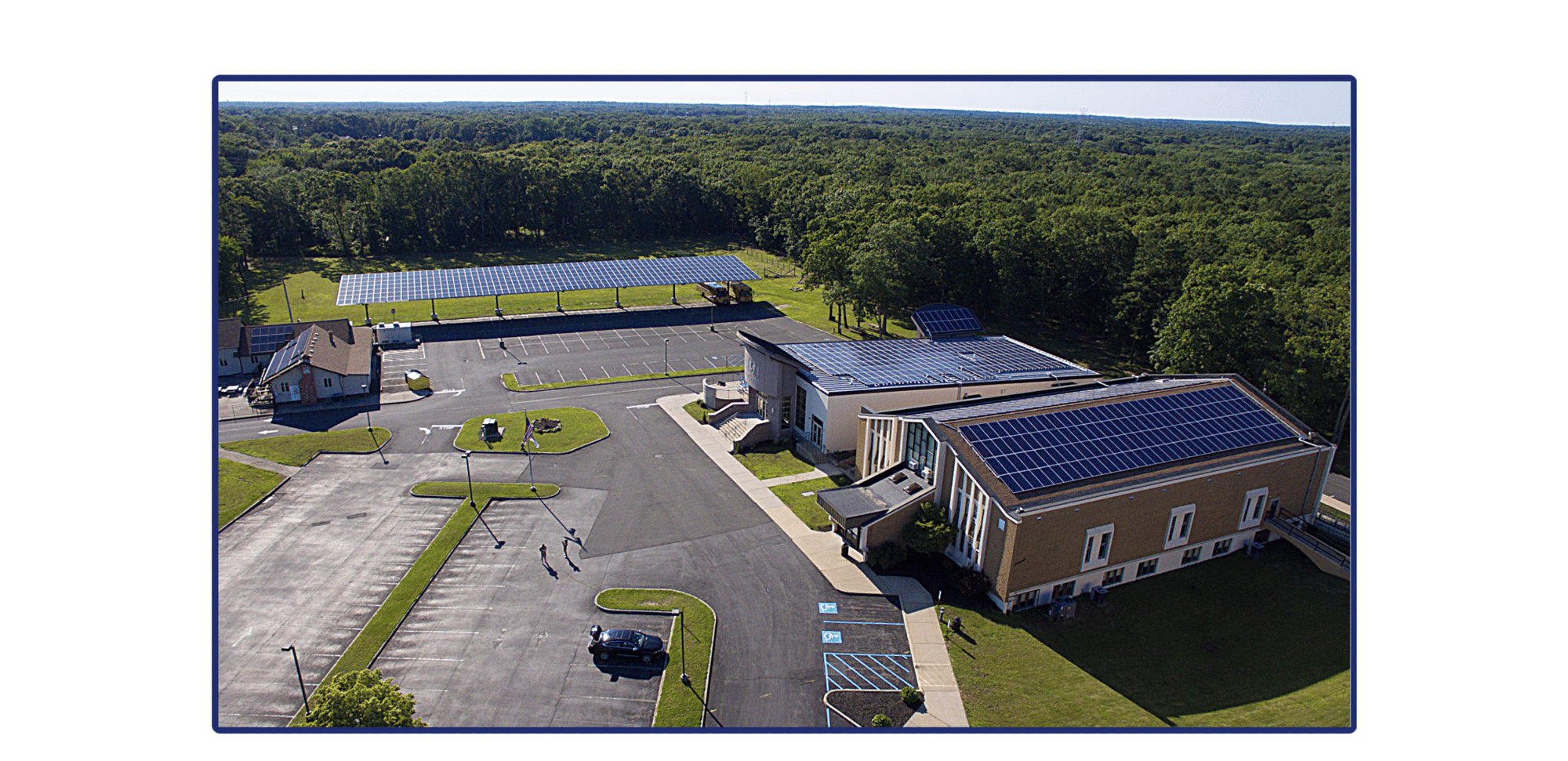
Outside the energy industry, solar is often discussed through fragmented talking points. Property owners hear that it is about sustainability, that it takes too long to pay back, that it is disruptive, or that it exists mainly because of government incentives. When solar is presented this way, it can feel abstract or disconnected from real estate fundamentals.
In reality, commercial solar is far more straightforward.
At its foundation, solar is established engineering paired with mature technology that converts sunlight into electricity. It allows a property to generate a portion of the power it already consumes by using existing surfaces such as rooftops, parking structures, or adjacent land. There is nothing complicated about the concept itself.
For sophisticated property owners in New Jersey, the real conversation is not about optics or trends. It is about how energy production affects asset performance and long term cash flow.
Moving Past the Public Narrative Around Solar
Much of the confusion surrounding solar comes from how it is discussed publicly. It is often positioned as a departure from traditional energy or as a symbolic move toward sustainability. While solar does provide environmental benefits, those benefits are secondary from an ownership perspective.
Commercial solar does not disconnect a property from the electric grid. Properties remain fully interconnected and continue to rely on utility power when needed. Solar simply reduces how much electricity must be purchased from the grid and how exposed the asset is to future pricing volatility.
Solar is also not a political or lifestyle statement. For commercial property owners, it functions as an operational and financial decision rooted in economics and risk management.
Understanding commercial solar begins when those assumptions are set aside.
Why Energy Has Become a Strategic Issue in New Jersey
For many years, electricity was treated as a predictable background expense. That assumption is no longer accurate.
Across New Jersey, utility rates have increased, grid capacity is under strain, and demand continues to grow due to electrification, electric vehicles, data centers, and emerging technologies. These pressures are structural and are expected to persist.
As a result, electricity has shifted from a passive operating cost to a meaningful financial variable that affects long term planning.
Commercial solar does not eliminate energy market risk, but it allows property owners to manage it more effectively. By generating electricity on site, a portion of energy costs becomes stable and predictable over decades. That stability is increasingly valuable in an uncertain pricing environment.
Commercial Solar as Infrastructure
At GridSpark Solar, solar is approached as part of the property’s physical and financial infrastructure.
This means evaluating how energy interacts with operating expenses, cash flow consistency, asset durability, ownership timelines, and long term marketability. Solar systems transform underutilized surfaces into productive assets that offset grid consumption year after year.
From an ownership standpoint, commercial solar behaves less like a short term upgrade and more like a permanent improvement to the property.
Understanding commercial solar requires looking beyond upfront cost and focusing on performance across the life of the asset.
The Role of Incentives
Incentives play an important role in commercial solar economics, particularly in New Jersey. They improve early year cash flow and accelerate return on investment.
However, incentives are often misunderstood. They do not create value on their own. A solar project succeeds because the system produces electricity at a known cost over a long service life. Incentives simply improve the timing of returns.
For property owners evaluating risk, this distinction matters. Projects that rely solely on incentives are vulnerable to policy changes. Projects grounded in durable energy production remain valuable regardless of regulatory shifts.
Cash Flow Stability and Asset Performance
One of the most overlooked benefits of commercial solar is its effect on financial predictability.
Utility pricing is inherently uncertain. Solar converts a portion of energy expense into a controlled, long term cost. For owners of office buildings, industrial facilities, warehouses, retail centers, and multifamily properties, this predictability can improve underwriting, net operating income stability, and asset valuation.
In many cases, commercial solar does more than reduce expenses. It reshapes how energy risk is embedded within the property.
Addressing Operational Concerns
Concerns about roof integrity, tenant disruption, and operational downtime are common among property owners considering solar. These concerns are understandable but often based on outdated assumptions.
Modern commercial solar systems are engineered to integrate with building systems and operational schedules. Design standards prioritize structural integrity, roof protection, and long term serviceability. Installations are carefully planned to minimize interference with tenants and daily operations.
Rather than creating disruption, solar becomes an integrated layer of the property’s infrastructure.
Choosing the Right New Jersey Commercial Solar Installer
Execution is where commercial solar succeeds or fails.
A qualified New Jersey commercial solar installer begins with analysis rather than equipment selection. Load profiles, structural conditions, regulatory requirements, financing structures, and ownership goals all shape system design.
At GridSpark Solar, the focus is on clarity, engineering discipline, and long term performance. The goal is not to sell systems but to help property owners make informed decisions that strengthen asset value.
Get Started With GridSpark Solar
If you own or manage commercial property in New Jersey and want a clear, data driven understanding of how solar fits into your asset strategy, the next step is a professional evaluation.
GridSpark Solar works with property owners to analyze energy usage, assess site conditions, and model long term financial performance before any decisions are made. Our process is designed to provide clarity, not pressure.
To begin a conversation about commercial solar and your property, contact GridSpark Solar to schedule an initial consultation. Understanding your energy strategy today can strengthen your assets for decades to come.
.png "GSE Short Landing (2)")
Get Your Energy Strategy
A GridSpark Energy expert will be in touch with you to schedule a complimentary energy evaluation of your property.